
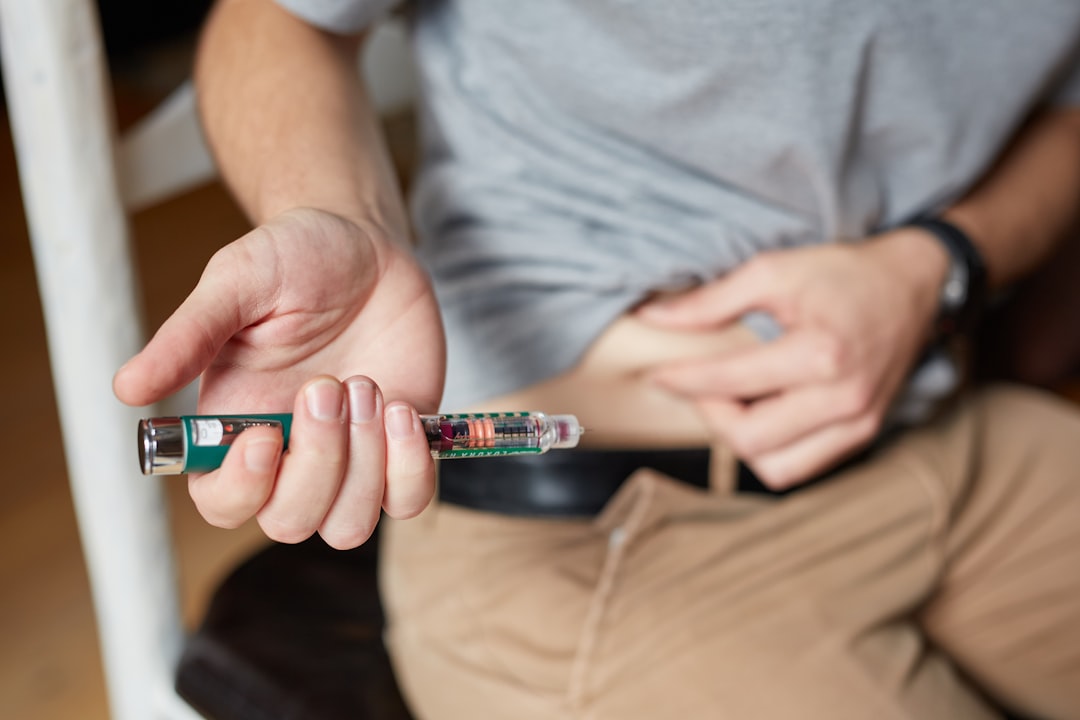
Will the Weight Come Back? Everything You Need to Know About Stopping GLP-1s
Understanding GLP-1 Weight Loss Injections and What Happens Next
What happens when you stop taking weight loss injections is a critical question for anyone considering or currently using medications like Wegovy, Ozempic, or Mounjaro. The short answer: most people experience significant weight regain, typically within 12 months of stopping treatment.
Here’s what the research shows:
- Weight regain is common: 60-80% of lost weight returns within 1-3 years after stopping
- Regain happens quickly: Patients gain back approximately 1 pound (0.4 kg) per month on average
- Appetite returns rapidly: “Food noise” and hunger signals return within days to weeks
- Health benefits reverse: Improvements in blood pressure, cholesterol, and blood sugar levels decline
- Muscle loss occurs: Without protein intake and resistance training, regained weight is primarily fat
In clinical trials, participants who lost an average of 15% of their body weight over 68 weeks on semaglutide regained two-thirds of that weight within just 12 months after stopping. Another study found that 82% of people who stopped Mounjaro after 36 weeks regained at least a quarter of their lost weight within one year.
“It’s like a switch that goes on and you’re instantly starving,” describes one patient who tried to stop taking weight loss medication multiple times. This experience reflects what happens physiologically—these medications work by mimicking natural hormones that regulate hunger and digestion. When you stop taking them, those effects disappear.
The reality is that GLP-1 medications don’t reset your metabolism or permanently change your body’s weight regulation. They work while you take them, but stopping treatment means your appetite-controlling hormones, metabolic rate, and hunger signals return to their pre-treatment state.
This doesn’t mean maintaining weight loss is impossible—but it requires understanding what you’re up against and having a solid plan in place before discontinuing treatment.

Understanding GLP-1 Medications and Weight Regulation
To understand what happens when you stop taking weight loss injections, we first need to look at how they work within our Bethesda and Chevy Chase patients’ bodies. These medications, primarily Glucagon-Like Peptide-1 (GLP-1) receptor agonists, are not “fat burners” in the traditional sense. Instead, they are sophisticated hormonal tools.
Semaglutide (the active ingredient in Wegovy and Ozempic) and Tirzepatide (found in Mounjaro and Zepbound) mimic a naturally occurring hormone in your gut. This hormone is usually released after you eat to tell your brain you are full. However, natural GLP-1 only lasts for minutes. The injectable versions are modified to last for an entire week, providing a constant signal of satiety.
A landmark clinical trial published in 2021 highlighted the sheer power of this mimicry. Participants on semaglutide lost an average of 15% of their body weight over 68 weeks, compared to just 2% in the placebo group. This success has made weight loss injections a cornerstone of modern metabolic medicine.
How GLP-1s Influence Satiety
The magic happens in two main areas: the brain and the gut. In the brain, these peptides target the hypothalamus, the control center for hunger. By stimulating these receptors, the medication reduces “food noise”—those intrusive, constant thoughts about eating.
In the gut, GLP-1s slow down gastric emptying. This means food stays in your stomach longer, physically keeping you full for extended periods. This dual action is why many of our patients at ProMD Health Bethesda report feeling satisfied after just a few bites of food. Beyond weight, these medications also fall under the broader umbrella of peptide-therapy, which can improve insulin sensitivity and reduce systemic inflammation.
Common Reasons for Discontinuing Treatment
If these drugs are so effective, why do people stop? In the real world—specifically in data from 2021—about two-thirds of patients who started GLP-1 agonists stopped using them within a year. The reasons vary:
- Side Effects: For about 8% of patients, the nausea, stomach pain and heartburn become too much to manage.
- Cost: Without insurance coverage, a month’s supply of Wegovy costs $1,350, which is a significant long-term financial commitment.
- Reaching Goals: Some patients believe they have “fixed” their weight and can maintain it through willpower alone.
- Insurance Changes: Coverage shifts can abruptly cut off access to the medication.
What Happens When You Stop Taking Weight Loss Injections?

When the weekly injections stop, the synthetic hormone levels in your blood begin to drop. Within days to a week, the “switch” flips back. The gastric emptying process speeds back up to its original rate, and the brain’s hunger centers are no longer being told to stay quiet.
The STEP 1 trial extension provided the most sobering evidence of this. After participants stopped their 68-week course of semaglutide, researchers followed them for another year. On average, patients regained two-thirds of the weight they had lost. This isn’t a failure of willpower; it’s a biological response to the removal of a metabolic regulator.
The Timeline of What Happens When You Stop Taking Weight Loss Injections
The return of weight isn’t usually overnight, but it is remarkably consistent. Research published in the BMJ indicates that weight typically returns to pretreatment levels within approximately 1.7 years of discontinuation.
On average, patients can expect to regain about one pound (0.4 kg) per month. To put that in perspective, weight regain after stopping these medications happens roughly four times faster than weight regain after stopping a traditional diet and exercise program.
| Metric | During Treatment | After Stopping (1 Year) |
|---|---|---|
| Average Weight Change | -15% to -20% | +7% to +14% (Regain) |
| Hunger Levels | Suppressed / Low | High / “Food Noise” Returns |
| Blood Pressure | Improved | Returns to Baseline |
| Regain Speed | N/A | ~1 lb per month |
Hunger and Hormones: What Happens When You Stop Taking Weight Loss Injections
Biologically, your body enters a state of “rebound hunger.” When GLP-1 levels drop, the hormone ghrelin—often called the “hunger hormone”—rises. Your body, sensing it has lost weight, tries to “save” you from what it perceives as a famine by driving you to eat larger portions and seek out high-calorie cravings.
This is why we emphasize that getting started with a medical professional is so important. You aren’t just fighting a habit; you’re fighting a hormonal surge. Without the medication to keep the stomach full and the brain quiet, emotional eating patterns often resurface with a vengeance.
The Impact on Body Composition and Cardiometabolic Health
One of the most overlooked aspects of what happens when you stop taking weight loss injections is what kind of weight you gain back. When you lose weight rapidly on GLP-1s, you don’t just lose fat; you also lose fat, muscle and bone mass.
If you regain weight without a dedicated exercise routine, your body tends to regain almost exclusively fat. This means even if you return to your original weight, your body composition is actually worse than when you started—you have less muscle and more fat, which can lead to a lower resting metabolic rate.
Reversal of Heart Health Markers
The benefits of GLP-1s extend far beyond the scale. In a trial called Select, these drugs were shown to reduce the risk of heart attack and stroke by 20%. However, research published on Wednesday in the BMJ suggests that these heart health benefits are just as temporary as the weight loss.
Within 1.4 years of stopping the medication, markers like blood pressure, cholesterol levels, and blood sugar control typically revert to their pretreatment levels. The “metabolic honeymoon” ends once the drug leaves the system.
The Risk of Sarcopenic Obesity
This brings us to the risk of sarcopenic obesity—a condition where you have high body fat but low muscle mass. Because muscle is more metabolically active than fat, losing muscle during the “off” phase makes it even harder to keep weight off in the future. This is why we advocate for high protein intake and resistance training for all our Kensington and Rockville patients while they are on the medication and especially if they choose to transition off.
Strategies for Maintaining Weight Loss After Discontinuation
Is it possible to be part of the 10-20% who maintain their weight loss? Yes, but it requires a “lifestyle bridge.” You cannot simply stop the injections and hope for the best.
The UK’s medicine watchdog, Nice, has recommended that patients receive at least a year of ongoing advice and tailored action plans after treatment ends. We agree that a structured exit strategy is non-negotiable.
Building a Sustainable Lifestyle Bridge
- Tapering Doses: Rather than “jumping off a cliff,” some experts recommend gradually reducing the dose over several weeks to allow the body to adjust.
- Nutrition Education: You must use the time on the medication to learn how to read food labels and understand portion sizes without the drug’s help.
- Resistance Training: Building muscle is the only way to protect your metabolism against the “rebound” effect.
- Mindful Eating: Learning to recognize true biological hunger versus emotional triggers is essential when the “food noise” returns.
We often tell our patients that weight loss injections should be viewed as a “supportive bridge” for long-term behavioral change, not a magic wand.
Is Long-Term Use Necessary for Chronic Obesity?
Modern medicine is increasingly viewing obesity as a chronic disease, similar to high blood pressure or type 2 diabetes. You wouldn’t stop taking blood pressure medication just because your blood pressure is now normal; the medication is why it is normal.
For many, these drugs may need to be a lifelong commitment. This is a conversation we have upfront with every patient at ProMD Health Bethesda. We use our AI Simulator to help patients visualize their goals, but we also discuss the metabolic reality: your body has a “set point” it wants to return to, and staying at your new weight may require long-term medical supervision.
Frequently Asked Questions
How quickly does weight regain occur after stopping?
Most patients begin to see the scale move upward within the first month. On average, weight returns to pretreatment levels within 1.7 years. Clinical data shows that about two-thirds of lost weight returns within the first 12 months.
Can I maintain my weight loss through diet and exercise alone?
While difficult, it is possible for a small percentage of people (roughly 10%). Success usually requires an incredibly disciplined approach to resistance training and high-protein nutrition to counteract the hormonal surge of hunger that follows discontinuation.
What are the most common side effects when stopping the medication?
The most common “side effect” is the rapid return of intense hunger and cravings, often referred to as “food noise.” Some patients also report a temporary return of digestive fluctuations as the gut’s motility returns to its natural speed.
Conclusion
At ProMD Health Bethesda, we believe in empowering our patients with the truth about their wellness journey. Whether you are in Bethesda, Kensington, or Rockville, understanding what happens when you stop taking weight loss injections is the first step toward long-term success.
We don’t just provide a prescription; we provide a comprehensive weight management experience. By using our AI Simulator, you can preview your natural-looking results and work with our experts to build a plan that includes nutrition, exercise, and, if necessary, a sustainable long-term medication strategy.
Don’t leave your metabolic health to chance. If you’re ready to explore a personalized approach to weight loss that considers both the “on” and “off” phases of treatment, we are here to help.
Contact us for a consultation today or start your weight loss journey with our expert team.

