

AI beauty technology: 30% Boost
The New Face of Beauty
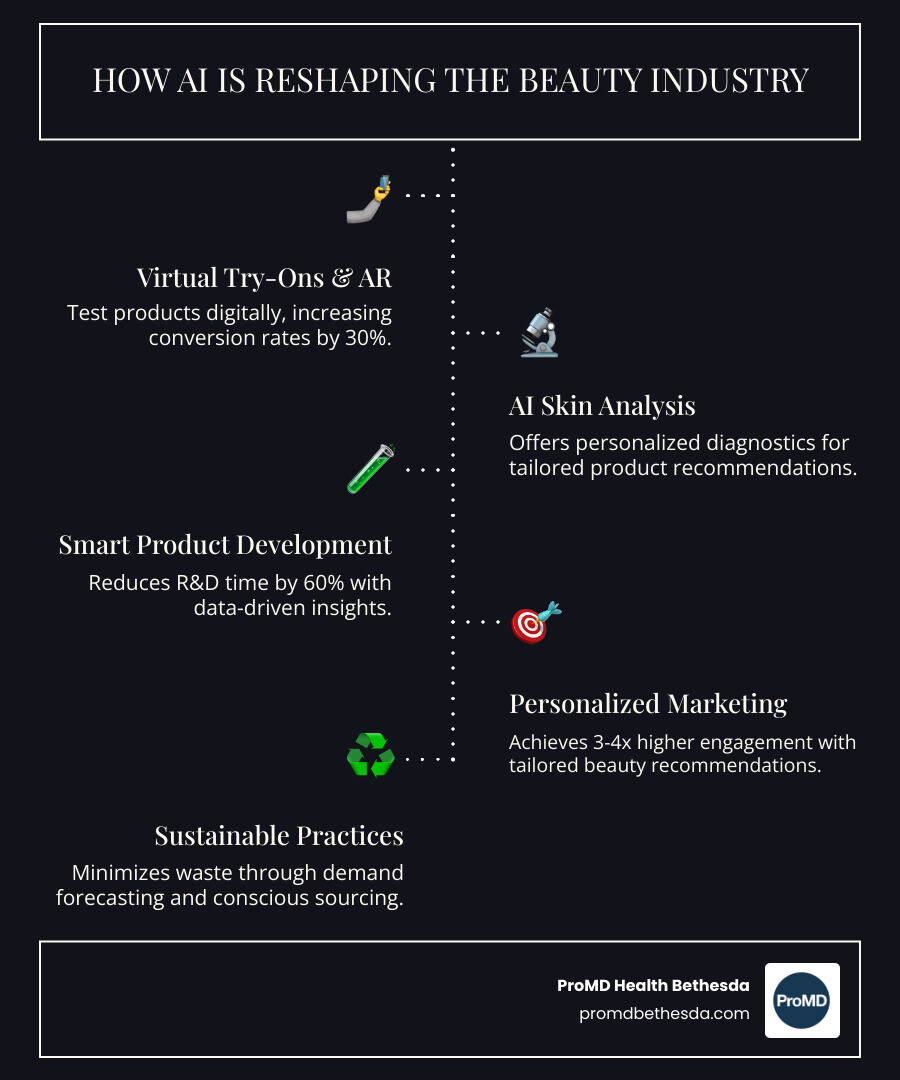
AI beauty technology is changing how we find, purchase, and experience beauty products—from virtual makeup try-ons that boost conversion rates by 30% to AI-powered skin analysis that rivals dermatologist accuracy. This revolution combines artificial intelligence, augmented reality, and machine learning to deliver hyper-personalized beauty experiences while generating $9-10 billion in economic impact for the beauty industry alone.
Key Ways AI is Changing Beauty:
- Virtual Try-Ons – Test makeup, hair color, and skincare products digitally before buying
- AI Skin Analysis – Receive personalized product recommendations based on your unique skin concerns
- Smart Product Development – Brands create better formulas 60% faster using AI-driven insights
- Personalized Marketing – Get beauty recommendations custom to your specific needs and preferences
- Sustainable Practices – AI helps reduce waste through better demand forecasting and ingredient sourcing
Imagine if your skincare products could understand your skin’s needs before you even recognize them. What if makeup shades were custom to you in real time, reflecting your unique undertones? This isn’t science fiction—it’s happening right now.
The beauty industry has reached a turning point. Traditional one-size-fits-all products are giving way to hyper-personalized solutions powered by sophisticated algorithms that analyze everything from your skin type to your lifestyle habits. For affluent professionals in areas like Bethesda who value natural-looking results and want to visualize outcomes before committing to treatments, this technology offers unprecedented clarity and confidence.
The numbers tell a compelling story. Gen AI could add $9 to $10 billion to the global economy based on its impact on the beauty industry alone. Virtual try-on technology has increased conversion rates by up to 30% for cosmetics brands. AI-powered customer service now handles 80% of routine inquiries, while personalized email campaigns see 3-4x higher engagement than generic messaging.
But this revolution goes deeper than just shopping convenience. AI is reshaping every aspect of beauty—from how products are formulated in labs to how brands predict the next big trend, from reducing environmental waste to making beauty more inclusive and accessible.
How AI is Redefining the Beauty Experience
The beauty landscape is undergoing a dramatic change, and at the heart of it all is artificial intelligence. This isn’t just about fancy gadgets; it’s about fundamentally changing how we interact with beauty products and services. From hyper-personalized recommendations to streamlined operations, AI beauty technology is creating a more intuitive, efficient, and deeply personal experience for everyone involved. We’re seeing a shift from mass-market approaches to truly individualized care, driven by data and smart algorithms.
For Consumers: The Dawn of Hyper-Personalization
For us, the consumers, AI beauty technology means an end to guesswork and a beginning to truly custom experiences. Imagine never again buying a foundation that’s the wrong shade or a skincare product that irritates your skin. That’s the promise of AI.
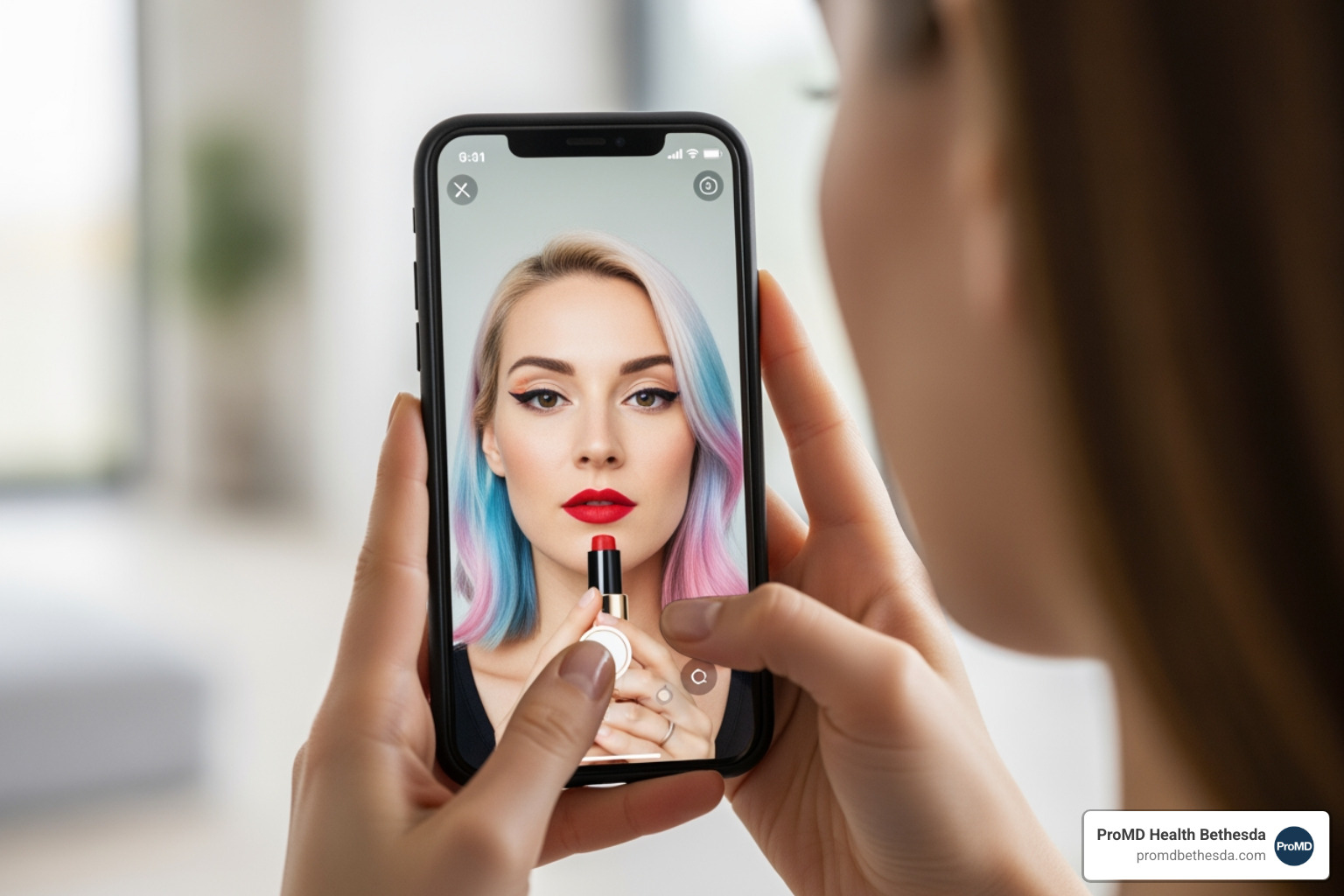
One of the most exciting applications is virtual try-on technology. No longer do we need to contend with messy testers or make purchases based on guesswork. With just our smartphone cameras, we can virtually try on countless makeup shades, hairstyles, and even hair colors. This interactive experience is more than just fun; it significantly boosts confidence in our purchasing decisions. In fact, virtual try-on technology has been shown to increase conversion rates by up to 30% for many cosmetics brands, making it a game-changer in the online shopping experience. This kind of cosmetics virtual try-on technology is becoming a standard expectation.
Beyond makeup, AI is revolutionizing skincare. AI-powered skin analysis tools, often accessible through apps or smart mirrors, can scan our skin to detect concerns like fine lines, dark spots, hydration levels, and even redness. Using sophisticated algorithms, these tools provide personalized product recommendations that address our unique needs. This is achieved through advanced techniques like Face Recognition and Face Detection and Tracking, which accurately map our facial features and skin conditions. Here at ProMD Health Bethesda, we understand the power of precise analysis, which is why we’re always exploring advanced methods to ensure optimal results in services like our facials.
These personalized recommendations aren’t just about suggesting products; they’re about building a deeper understanding of our skin’s needs over time. AI can track our progress, adjust recommendations based on environmental factors, and even anticipate future concerns. This level of personalization strengthens customer loyalty, as we feel truly seen and understood by the brands we choose.
For Brands: Smarter Operations and Deeper Insights
While consumers enjoy a more personalized journey, beauty brands are leveraging AI beauty technology to operate smarter, faster, and more efficiently. The economic impact is substantial: implementing AI in a beauty e-commerce business can increase sales by up to 14.3% annually while simultaneously reducing operational costs.
One significant area of impact is automated inventory management. AI systems analyze sales data, seasonal trends, and even social media buzz to predict demand with remarkable accuracy. This prevents overstocking (and subsequent waste) while ensuring popular products are always available, allowing brands to optimize inventory management efficiently.
Customer service is another field where AI shines. Customer service chatbots now handle up to 80% of routine inquiries, freeing our human agents to address more complex customer needs. These AI agents can provide immediate, accurate responses about ingredients, application techniques, or order status, building trust and improving the overall shopping experience.
Furthermore, AI-powered search capabilities go beyond basic keyword matching. They understand context, intent, and even visual elements, allowing customers to find exactly what they’re looking for, even with vague descriptions like “lipstick that makes my teeth look whiter.” AI also powers recommendation engines that have become essential for beauty retailers, delivering targeted promotions based on individual skincare concerns or makeup preferences. These campaigns typically see 3-4x higher engagement than generic messaging, translating directly into increased sales and customer satisfaction.
The Core Applications of AI Beauty Technology
The reach of AI beauty technology extends into every corner of the industry, from the initial spark of an idea for a new product to how that product is presented and sold. It’s about making beauty more intuitive, more precise, and ultimately, more effective.
Personalized Skincare and Makeup with AI Beauty Technology
The dream of truly personalized beauty is now a reality, thanks to AI. We can now experience skincare and makeup custom precisely to our individual needs.
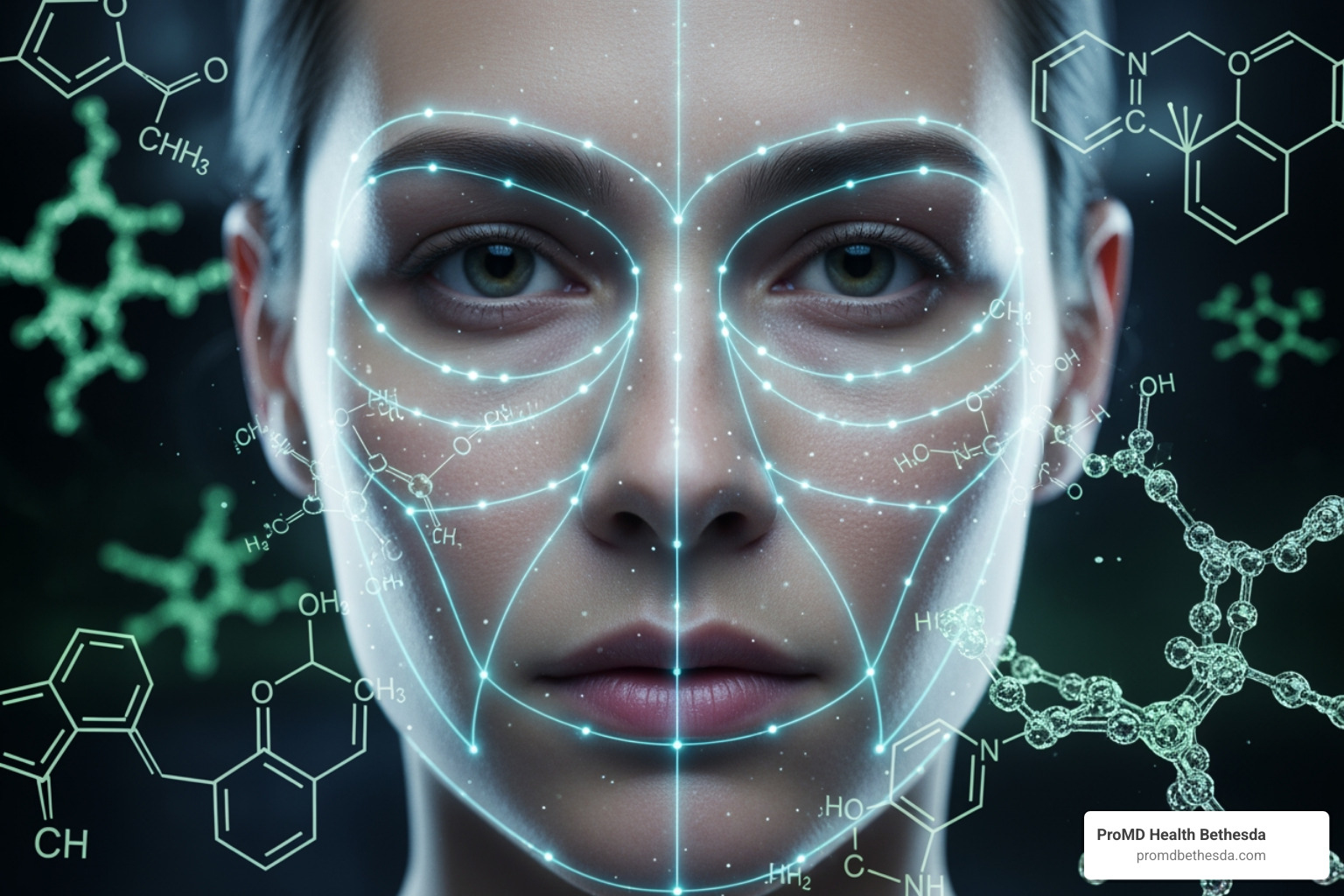
AI-driven diagnostic tools are at the forefront of this revolution. By simply uploading a selfie, AI can perform a comprehensive skin analysis, detecting fine lines, dark spots, redness, and hydration levels. This allows for highly accurate product recommendations that target our specific concerns. This is achieved by leveraging technologies like Image Labeling, which categorizes beauty products based on ingredients and suitability, ensuring the AI can match products effectively. Additionally, Optical Character Recognition (OCR) extracts information from product labels and ingredient lists, ensuring recommendations align with our skincare needs, allergies, or lifestyle choices (like vegan or cruelty-free).
For makeup, AI is paving the way for custom shades. Imagine a world where your foundation is formulated on demand to match your skin’s exact shade at any time of year, or your lipstick is custom-blended to complement your unique undertones. AI analyzes facial features to determine skin tone and facial structure, suggesting the right foundation shade, contour products, or even glasses that complement our face shape. This level of customization ensures a perfect match every time.
The future also holds the promise of DNA and microbiome-based skincare, where AI analyzes our genetic and microbial profiles to recommend ingredients and formulations specifically designed for our unique biological makeup. This hyper-specific approach promises unprecedented efficacy in addressing skin concerns. For those looking to improve their skin’s health and appearance, we also offer a range of skincare supplements that can complement these personalized routines.
Revolutionizing Product Formulation and Development
Historically, creating a new beauty product has been a lengthy and often costly process of trial and error. But AI beauty technology is changing product formulation and development, making it faster, more efficient, and incredibly precise.
AI algorithms can analyze millions of data points related to skin types, ingredient effectiveness, and consumer preferences. This data-driven ingredient selection allows brands to identify the most potent and suitable components for new formulations. AI can predict the ideal balance of active ingredients, stabilizers, and delivery systems much more efficiently than manual testing, significantly shortening research and development timelines.
This means faster time to market for innovative products. For example, gen AI tools can reduce the time it takes to research new products from weeks to days. One beverage company even reduced its concept development time by 60% using gen AI. This efficiency doesn’t just save time; it can also lead to significant cost savings, helping save up to 5% on raw materials when developing those products.
AI-driven formulation also ensures consistent efficacy and quality in every batch of a product. It can even predict the rise of cutting-edge trends like bioengineered skincare, microbiome-friendly ingredients, and actives that protect against blue light, allowing brands to innovate proactively. This precision in formulation is crucial for products that require specific active ingredients for optimal results, much like how we approach targeted treatments such as peptide therapy to ensure maximum effectiveness.
Enhancing Visual Marketing and E-Commerce
In the highly visual world of beauty, compelling imagery and marketing are paramount. AI beauty technology is enhancing visual content, making e-commerce experiences more engaging and marketing more impactful.
AI-generated content is becoming a powerful tool for brands. Algorithms can create and test variations of text and images to see what resonates best with each consumer segment, ensuring marketing materials are always optimized.
For e-commerce, AI streamlines the creation of uniform product listings. Background Removal algorithms can instantly remove backgrounds from product images, replacing them with clean, neutral tones or customized settings. This creates a consistent and professional look across all online platforms. Similarly, Object Detection ensures that beauty products are properly centered, well-lit, and presented in the most visually appealing way, automatically recognizing the shape, size, and features of a product to adjust framing.
Maintaining brand consistency is also crucial, and AI helps here too. AI-Powered Logo Recognition can scan and verify images to ensure that brand logos appear correctly, preventing inconsistencies in marketing materials, especially when working with retailers or influencers. This ensures that every visual touchpoint reinforces the brand’s identity and quality.
Shaping a Sustainable and Ethical Future
Beyond personalization and efficiency, AI beauty technology is also playing a pivotal role in driving the industry toward more sustainable and ethical practices. It’s about leveraging intelligence to make better choices for our planet and its people.
Predicting Trends and Reducing Waste
One of the most exciting applications of AI is its ability to predict future beauty trends. What will be the hottest skincare ingredient in 2026? Will minimalist makeup continue to dominate, or will bold, artistic looks make a comeback? AI can scan millions of social media posts, reviews, and online conversations to identify emerging trends long before they go viral. It can analyze customer behavior patterns to predict which search terms will gain popularity, allowing content teams to create relevant material ahead of competitors. This foresight helps brands stay ahead of the curve and innovate with confidence.
More importantly, AI contributes significantly to reducing waste. By accurately predicting demand, AI helps brands prevent overproduction, minimizing the amount of unsold product that ends up in landfills. AI-powered inventory management systems track shelf life for products with expiration dates, highlighting items needing promotion before they spoil.
AI also assists in identifying sustainable alternatives to traditional ingredients, such as lab-grown actives that reduce reliance on resource-intensive natural extracts. It can track consumer usage habits to inform more sustainable packaging designs and facilitate recycling initiatives, moving us closer to a circular beauty economy.
Navigating the Challenges and Limitations
While the benefits of AI beauty technology are vast, it’s crucial to acknowledge the challenges and limitations. Implementing AI in the beauty industry is not without its problems.
One of the primary concerns is data privacy. AI systems rely on vast amounts of personal data, including facial scans and purchase histories. Ensuring this data is collected, stored, and used responsibly is paramount. Brands must implement robust data protection measures and adhere to strict privacy regulations. Transparent communication about AI usage policies, perhaps displayed on product pages, is essential to build consumer trust, allowing individuals to make informed choices, similar to how platforms manage consent through mechanisms like AdChoices.
Another critical challenge is algorithmic bias. If AI models are trained on unrepresentative datasets, they can perpetuate existing biases, leading to inaccurate recommendations or shade matching for diverse skin tones. Developing AI tools that are inclusive of all ages, ethnicities, and genders requires careful attention to data diversity and ongoing validation. Implementing ethical AI governance with transparent guardrails is key to addressing these issues.
The cost and complexity of implementation can also be significant. Developing and integrating sophisticated AI systems requires substantial investment in technology, infrastructure, and skilled personnel. Furthermore, while AI can automate many tasks, it doesn’t eliminate the need for human expertise. Human creativity, intuition, and ethical judgment remain indispensable, especially in areas like product development and personalized customer interactions. The goal is for AI to augment, not replace, human ingenuity.
Frequently Asked Questions about AI in Beauty
As AI beauty technology becomes more integrated into our daily lives, it’s natural to have questions. Let’s dig into some common inquiries.
How does AI create personalized skincare recommendations?
AI creates personalized skincare recommendations by analyzing a variety of data points unique to you. Typically, this begins with a detailed questionnaire about your skin concerns, lifestyle, and environment. Many advanced AI systems also incorporate smartphone camera scans, where the AI uses computer vision to analyze your skin for specific indicators like fine lines, dark spots, redness, pore size, and hydration levels.
The AI then cross-references this information with a vast database of cosmetic ingredients, product formulations, and scientific research on their efficacy. It can identify which ingredients are best suited for your skin type and concerns, and even flag potential allergens or irritants based on your input. The result is a highly custom product regimen designed specifically for you, much like how we personalize treatments at ProMD Health Bethesda, such as microneedling, to address individual skin texture and tone concerns.
What are the limitations of virtual try-on technology?
While virtual try-on technology is incredibly impressive, it does have some limitations.
- Lighting dependency: The accuracy of the virtual overlay can be heavily influenced by the lighting conditions in your environment. Poor lighting can distort colors and textures, making the virtual product appear different from its real-life counterpart.
- Color accuracy: While vastly improved, replicating exact color nuances on a screen can still be challenging. Different device screens (phones, tablets, computers) can display colors slightly differently, leading to minor discrepancies.
- Texture simulation: Simulating the exact texture of a product—whether it’s a matte lipstick, a shimmering eyeshadow, or a dewy foundation—can be difficult. The virtual experience might not fully convey how a product feels or its true finish.
- Not a perfect substitute for physical testing: Virtual try-ons are simulations. They cannot fully replicate the tactile experience of applying a product, how it wears throughout the day, or how it interacts with your unique skin chemistry. For these reasons, they serve as an excellent pre-screening tool but may not entirely replace the desire for physical testing for some consumers.
Is my data safe when using AI beauty apps?
The safety of your data when using AI beauty technology apps is a critical concern, and reputable brands are investing heavily in robust security measures. Generally, when you use AI beauty apps that involve facial scans or personal information, here’s what to expect:
- Data privacy policies: Always review the app’s privacy policy. This document should clearly outline what data is collected, how it’s used, and whether it’s shared with third parties.
- On-device processing: Many advanced virtual try-on and skin analysis tools process your images directly on your device. This means your facial data never leaves your phone or computer, significantly enhancing privacy.
- User consent: Ethical AI practices dictate that you should always provide explicit consent before your data, especially sensitive biometric data like facial scans, is collected or used.
- Importance of trusted brands: Sticking to well-known and trusted beauty brands or technology providers is crucial. These companies typically have more resources and a greater incentive to protect your data due to their brand reputation and legal obligations.
At ProMD Health Bethesda, we understand the importance of privacy and transparency, especially when it comes to personal health and aesthetic information. We prioritize solutions that ensure your data remains secure and your choices are respected.
Conclusion: The Future is Personal, Precise, and AI-Powered
The journey through AI beauty technology reveals a landscape rapidly evolving, promising a future where beauty is more personal, more precise, and more accessible than ever before. We’ve seen how AI is revolutionizing everything from how we find products with virtual try-ons and personalized recommendations to how brands formulate new innovations and manage their operations efficiently. This isn’t just a trend; it’s the new standard, creating billions in economic value and fundamentally reshaping our relationship with beauty.
For us, the consumers, this means an end to guesswork and the dawn of truly custom experiences. For brands, it offers unprecedented insights and operational efficiencies. And for all of us, it holds the potential for a more sustainable and inclusive beauty industry.
Here in Bethesda, MD, at ProMD Health Bethesda, we accept the power of advanced technology to improve your aesthetic journey. Just as AI in beauty apps allows you to preview makeup, our commitment to innovation extends to our medical aesthetic services. We are proud to use advanced AI simulators that allow our patients to preview natural-looking results before committing to treatments, combining cutting-edge technology with our expert care for informed, confident experiences. Whether you’re exploring skincare, makeup, or advanced aesthetic procedures, the future of beauty is here, and it’s intelligent.
Are you ready to experience the precision and personalization that AI beauty technology can offer? Explore our advanced aesthetic services and find how we combine cutting-edge solutions with expert care to help you achieve your beauty goals.

